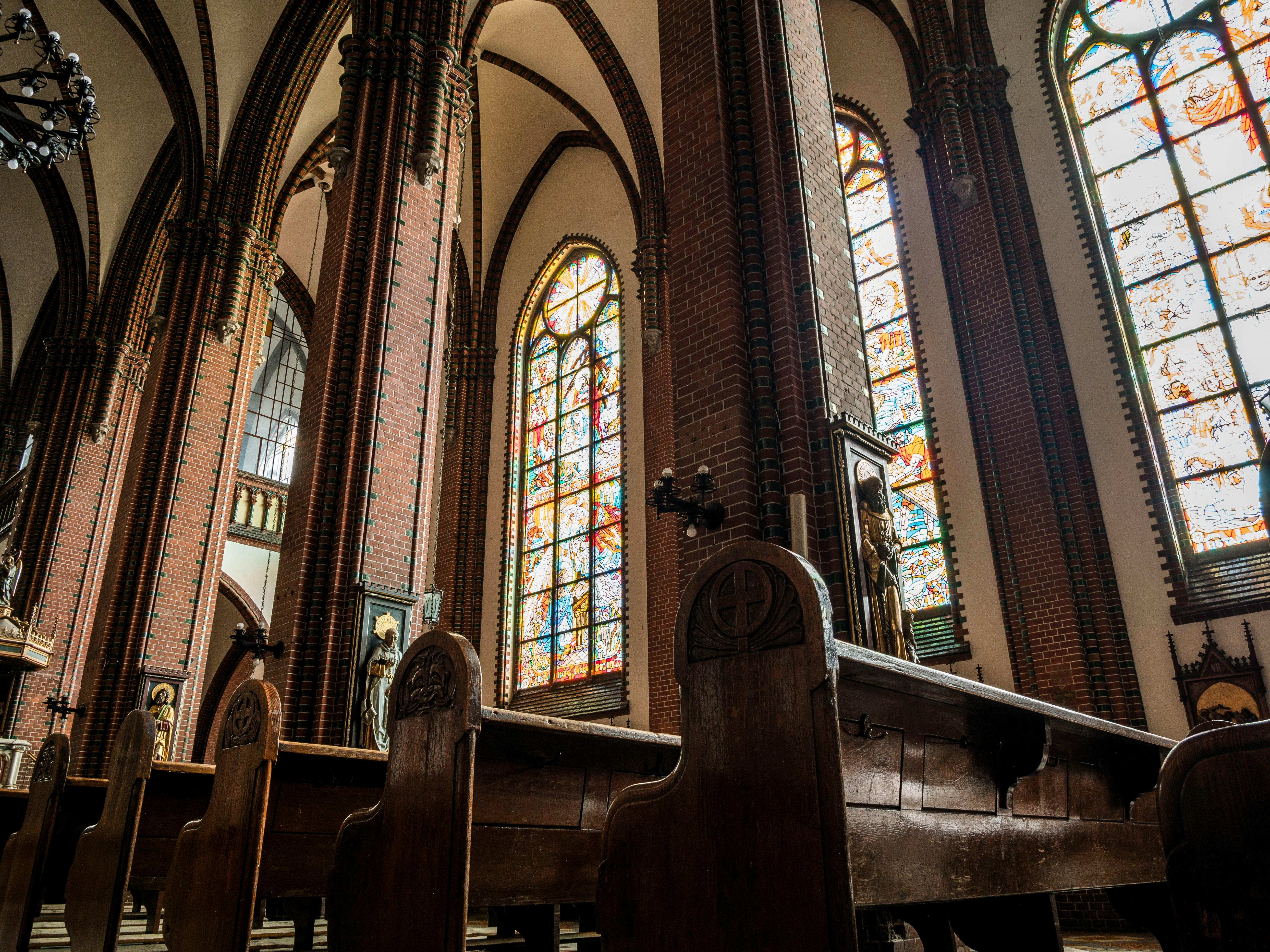
Architecture as Living History
Britain's landscape holds more than geography. Every weathered stone, every carved archway, every carefully preserved wall speaks of human ambition, craftsmanship, and the passage of time. These are not merely old buildings; they are narrative structures, each with stories embedded in their foundations.

From Roman foundations beneath modern streets to medieval monasteries standing in silent testimony on windswept hills, the architectural heritage spans millennia. Each period brought distinct styles, motivated by different needs: defense, worship, governance, or display of wealth. Understanding these structures means understanding the people who built them.
"A building is not just a place to be, it's a way to be." — Frank Lloyd Wright
The preservation of historical landmarks is an act of cultural memory. When we walk through a Tudor manor or stand beneath a Gothic cathedral's vaulted ceiling, we connect physically with those who came before. Architecture becomes a bridge across time.